Convert to RSC
Convert your machines to RSC and stop leaving profits on the floor and in the scrap bin.
10 Ways Rotary Saw Cutting improves Your Business TOOLING
- More production capacity from every machine
- Increase machine efficiency
- More profit per machine
- Reduce Kerf – Narrower cutoff generates more parts
- Eliminate material and process waste to get Leaner and Greener
- Machine higher quality parts
- Reduce or eliminate the need for secondary machining
- No stringy chips
- Easy and efficient for operators
- See an immediate ROI of 70-300%
- (Bonus!) Add Watkins Saw and stop wasting time, money and material!
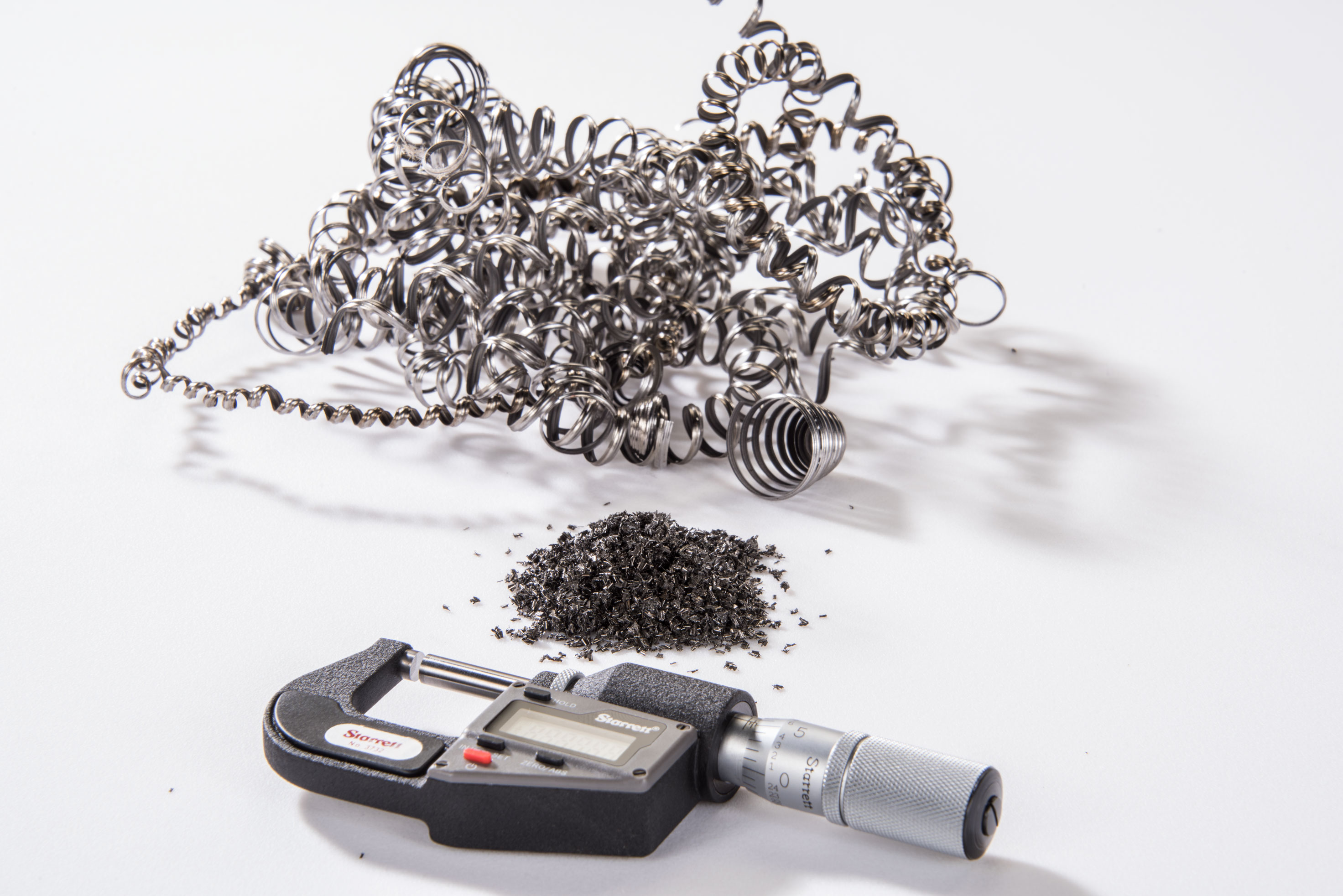
Single point cutoff wastes material and leaves piles of stringy chips to manage. With Watkins RSC, you save material, get more parts per bar and no stringy chips!
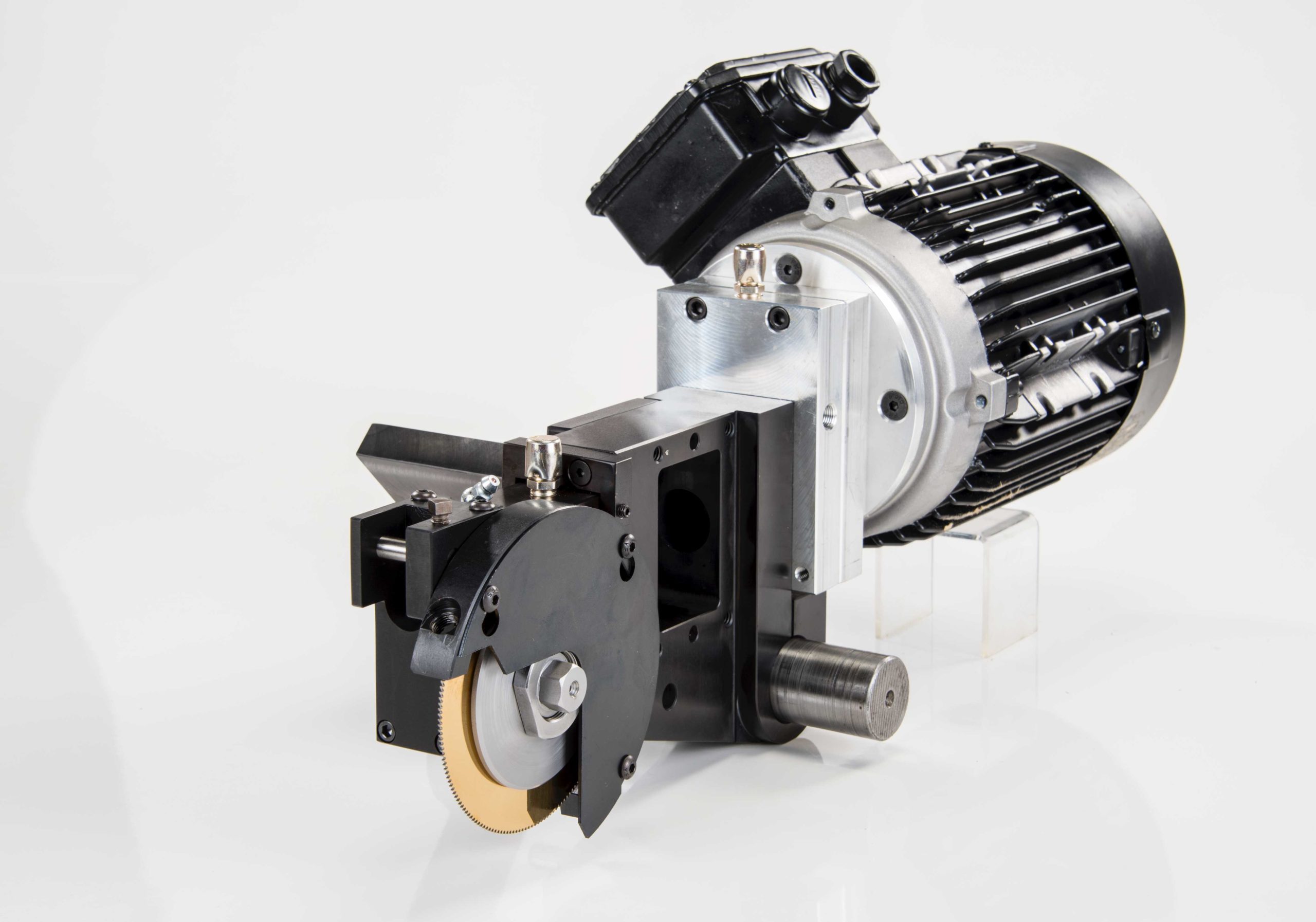
The KerfCutter Lease Program – KCLP
Our KCLP makes it easier than ever to add a Watkins Saw to your lineup.
With a monthly investment of under $300 / month, you can generate amazing ROI of 70% or more! Add a Watkins KerfCutter and increase your production, cut waste and reduce secondary costs.
Contact Us to learn more about our friendly lease terms.
Rotary Saw Cutting Attachments to fit your machine:
Bardons & Oliver
Modern
Traub
Brown & Sharpe
Davenport
Index
Schüette
Euroturn
Custom machines
Acme-Gridley
New Britain
CNC
Conomatic
Wickman
Gildemeister
Warner & Swasey